
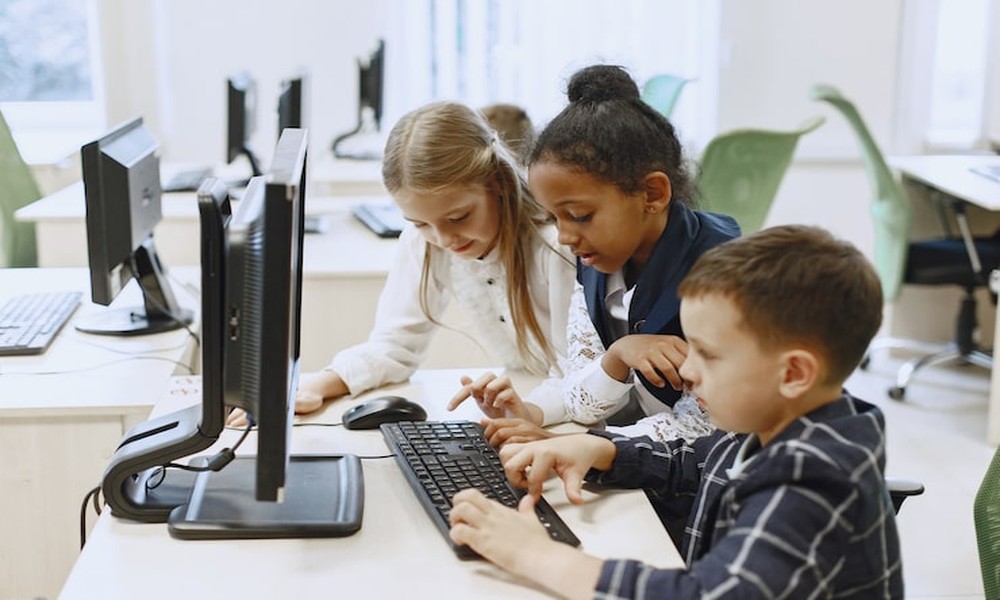
STEM learning can feel complex for young minds. Simple tools can change that experience. A classroom holds many hidden learning treasures. Everyday objects can spark deep curiosity. These objects can support playful discovery and clear thinking. So, teachers can guide students with ease and joy. Learning becomes active and meaningful through simple creative tasks. This approach builds strong early skills in science and math.
Turning Simple Objects into Smart Tools
A paper clip can become a learning device. Students can bend clips into different shapes. This shows basic engineering ideas in action. The process builds patience and careful observation skills. Small changes in shape create new functions and uses. So, children learn cause and effect through touch and trial. A rubber band can also teach energy and motion. Stretching and releasing shows stored force and movement clearly. These simple tasks make abstract ideas easier to understand.
Building Structures with Daily Materials
Straws and sticks can form strong bridges. Students test which designs hold more weight. This teaches balance and structure in a fun way. Paper and tape can also create tall towers. The challenge builds problem solving and teamwork skills. Sometimes, students fail and try again with better ideas. That process builds confidence and creative thinking slowly. These activities match the top stem activities for elementary school teachers in real classroom settings. Learning happens through doing and not just watching.
Exploring Space with Imagination
A classroom can turn into a small universe. Students can model planets using clay or paper balls. Each planet can show different size and distance. The idea of orbit becomes easier to explain visually. So, learners begin to understand space relationships better. Teachers can guide storytelling with science facts. This builds both knowledge and imagination at once. Programs like Mission.io inspire space-based learning experiences. They connect science with exciting missions and challenges.
Learning Physics Through Play
Toy cars can explain motion and speed clearly. Students can test how far cars travel on slopes. This shows how angle affects movement and force. Simple ramps can be made with books or boards. Now students can compare results and draw conclusions. Water bottles can also show pressure and flow. Small holes create streams with different strengths. These observations help students understand real world physics. Mission.io also supports such learning with interactive science adventures.
Encouraging Creative Problem Solving
Cardboard boxes can become design challenges. Students can build machines or simple models. Each design solves a small real problem. This builds logical thinking and innovation skills early. So young learners start to think like inventors. Teachers can guide reflection after each activity. This helps students explain ideas in clear words. Mission.io offers digital missions that support such thinking patterns. It connects classroom creativity with modern learning tools.

Comments are closed.