
Category

Education

Category

Most young people continue their studies in college. A person’s career and the amount of money s/he makes are directly related to what s/he learns there. It is a great burden on the purse. Yet, choosing the best student loans for college is really important. One loan can further your goals instead of restricting them.

This handbook is straightforward, practical.

What Makes a Student Loan “Best”?

 No one loan is best for all. The best student loans for college are those which fit your financial reality and long-term plans.

A strong loan option:

  • fair interest rates
  • flexible repayment terms
  • clear conditions and terms without any hidden surprises.

If a lender cannot explain these clearly, that is a red flag.

Start with the Basics Before You Borrow

First, determine what your actual needs are before looking into lenders. Borrowing too much creates pressure later.

Ask yourself:

  • How much are not covered by tuition and fees?
  • What living expenses and study materials do you need each month?
  • What part-time jobs can reduce the amount of the loan?

If you understand these points, then it is easier to pick out the best student loans for college without overborrowing.

Common Types of Student Loans to Explore

Usually, students look at different options rather than just one.

Common categories include:

  • Loans with fixed interest; predictable payments afterwards 
  • Nimble repayment options after finishing school
  • Loans with grace periods before repayment starts

By comparing these traits, it is easier to know which of the many student loans is best suited to your needs and reality − as opposed what the advertising slogan says.

How to Compare Loan Offers the Smart Way?

Don’t rush into a decision − a few minutes of comparison may save years of regrets.

When comparing loans, focus on these things:

  • The total cost to repay the loan, not just how much money you pay each month
  • Penalties on late or early payment
  • Whether there is any support if your income changes

The best student loans for college are straightforward, not fancy.

Mistakes Students Should Avoid

Too many later regret decisions made by borrowers in a hurry.

Avoid the following:

  • Loans are considered based only on how quickly they approve your application
  • Ignoring how much you will need to pay in the future when making sacrifices
  • Assuming your future income will be good

Loans outlast people’s college years. Plan for the future.

Final Thoughts: Borrowing with Purpose

The best student loans for college do more than pay your bills at school; they open up your future possibilities. Smart borrowing isn’t something to be afraid of it’s an art of being clear and in control.

Your loan should be chosen for the benefit of future generations, as well as meeting your current needs. A prudent choice now will inspire confidence for tomorrow.
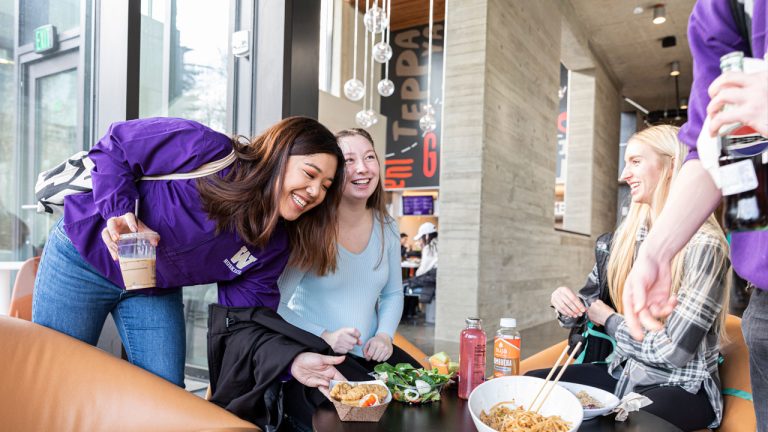

Modern campuses are redefining how students approach their daily meals. Traditional cafeterias and snack bars are no longer the sole options, as institutions increasingly invest in innovative campus lunch services that cater to diverse student needs. These services aim to balance convenience, nutrition, and affordability while creating a more engaging dining experience. The rise of creative meal offerings has transformed the way students interact with food, making lunchtime more than just a routine break.

Redefining Convenience in Campus Lunch Services

Convenience is a central focus of modern campus lunch services. Students face packed schedules filled with lectures, club meetings, and study sessions, leaving limited time for traditional sit-down meals. To meet these demands, campuses are implementing flexible meal solutions. Grab-and-go options, pre-packaged meals, and mobile ordering apps are becoming common features, ensuring that students can access fresh and healthy meals without long wait times. These advancements help students manage their time efficiently while maintaining proper nutrition, highlighting how campus lunch services are evolving to match the fast-paced lives of students.

Moreover, convenience extends beyond speed. Many campuses now integrate digital tools to enhance meal planning and ordering. Mobile apps allow students to customize meals, check nutritional information, and even schedule pick-up times. This integration ensures that campus lunch services are not just a place to eat, but a seamless part of student life, catering to both busy schedules and dietary preferences.

Emphasizing Nutrition and Dietary Diversity

Nutrition is a crucial aspect of any modern campus lunch service. Schools are increasingly aware that well-balanced meals contribute to better concentration, energy levels, and overall student well-being. As a result, menus are expanding to include a variety of options that accommodate different dietary requirements. From vegetarian and vegan offerings to gluten-free and allergen-conscious meals, campuses are prioritizing inclusivity in their lunch services.

Innovative campus lunch services often collaborate with nutritionists to design meals that meet both taste and health standards. Fresh ingredients, locally sourced produce, and seasonal menus are becoming standard practices. This approach encourages students to make healthier food choices and exposes them to a variety of cuisines. In addition, nutritional transparency has become an important factor, with meal labels and online nutritional guides allowing students to make informed decisions about their daily intake.

Sustainability in Campus Lunch Services

Sustainability has emerged as a key trend in modern campus lunch services. Students are increasingly aware of the environmental impact of their food choices, and campuses are responding by implementing eco-friendly practices. Initiatives such as composting, reducing single-use plastics, and offering plant-based meal options are transforming the way campus lunch services operate. Sustainable practices not only reduce waste but also promote a sense of responsibility and community among students.

Many campuses have started sourcing ingredients locally to minimize carbon footprints and support regional farmers. This practice not only strengthens local economies but also ensures fresher meals for students. By integrating sustainability into campus lunch services, schools are creating dining experiences that align with broader environmental goals, providing students with meals that are both enjoyable and ethically responsible.

Technology and the Future of Campus Lunch Services

Technology is playing a transformative role in shaping the future of campus lunch services. From AI-powered menu planning to automated ordering systems, modern campuses are embracing digital solutions to enhance efficiency and user experience. Smart kiosks, contactless payment systems, and predictive inventory management reduce wait times and minimize food waste. These technological innovations allow campus lunch services to operate smoothly while meeting the evolving expectations of tech-savvy students.

Furthermore, data analytics is being utilized to understand student preferences and adjust meal offerings accordingly. By tracking popular items, peak dining hours, and dietary trends, campus lunch services can optimize menus and ensure that students have access to the meals they want. This combination of technology and innovation represents a significant leap forward, illustrating how campus lunch services are adapting to the digital era while prioritizing student satisfaction.

Modern campus lunch services are no longer just about feeding students—they are about creating a dynamic, convenient, and sustainable dining environment. By prioritizing nutrition, convenience, diversity, sustainability, and technology, schools are redefining the student dining experience. The integration of innovative practices ensures that mealtime becomes a meaningful and enjoyable part of campus life, reflecting the broader evolution of higher education institutions.

In her third year at NYU’s Stern School of Business, Lauren Park had already mastered spreadsheets, case studies, and the art of pretending she wasn’t stressed while sipping a seven-dollar cold brew. But nothing prepared her for the moment her group’s Financial Modeling & Analysis professor emailed their grading rubric:

“Submit ONE PDF containing all charts, projections, and commentary.”

Her group had generated more than thirty separate charts: quarterly projections, revenue curves, cost structures, breakeven analyses, scenario simulations, and risk assessments. They had done the work. But all of it was scattered across Excel exports, PowerPoint slides, Google Sheets screenshots, and a few photos someone had snapped with their phone “just in case.”

Their presentation was at 9:00 AM the next morning.

When Data Isn’t the Problem—Presentation Is

Lauren knew the numbers were correct. Her group had triple-checked every formula. But professors don’t grade spreadsheets; they grade clarity. Scattered files meant charts in the wrong order, missing context, inconsistent styles, and a high chance of confusion when they were standing in front of the room trying to tell a cohesive story.

If they submitted a folder full of mismatched documents, it would send the wrong message: that the group hadn’t bothered to organize their work. In a business course built around communication and professionalism, that was almost worse than having bad numbers.

The Late-Night Struggle to Pull Everything Together

Just after midnight, sitting at a long table in Bobst Library, Lauren began trying to stitch everything together. She first dragged all the exported charts into a word processor, hoping to build a quick report. The layout collapsed almost immediately. Images resized themselves at random, page breaks chopped charts in half, and captions jumped to awkward places.

She tried a cloud-based document editor next. It stalled as soon as she uploaded the eighth chart. Then she opened a presentation file and pasted everything into slides, only to watch the file size balloon to hundreds of megabytes. Uploading something that heavy to the course portal was risky; opening it in class could turn into a technical disaster.

The group chat on her phone was silent. Everyone else had given up for the night. Lauren checked the time: 12:27 AM. She exhaled slowly and thought, not for the first time that semester:

“Okay… there has GOT to be a better way.”

Finding a Tool That Made the Whole Night Easier

Lauren opened her browser and typed https://pdfmigo.com. She had used the site earlier in the semester for a marketing packet, but tonight the stakes felt higher.

She exported each chart from Excel and her slide deck as a PDF and dropped them all into the upload area: EBIT projections, sensitivity analyses, break-even curves, burn-rate over time, revenue waterfall charts, and competitive comparison graphs. Within moments, the screen filled with neatly aligned thumbnails. For the first time that night, the project looked like a report instead of a digital junk drawer.

She rearranged the pages to mirror the story she wanted to tell in class: starting with the executive summary, moving into revenue projections, then cost breakdowns, risk models, and finally the valuation and recommendation. Once the order felt right, she clicked the button labeled Merge PDF.

Seconds later, she downloaded a single file: Stern_Financial_Model_Report.pdf. Every chart was in place, every page aligned, and the whole document looked intentional and polished.

The Presentation That Looked Like a Consulting Deck

The next morning, Lauren’s group stood at the front of the classroom. When she opened the merged PDF on the projector, the first page showed a clean overview chart. As she advanced through the pages, the narrative flowed naturally: market context, projected growth, cost structure, risk exposure, and final valuation.

No one had to scramble between files. There were no awkward pauses while hunting for the “other version” of a chart. The professor nodded as each slide appeared. A few classmates whispered about how professional the report looked.

Afterward, their professor commented, “Your analysis was strong, but what really stood out was how clearly everything was presented. It looked like something you could show to a client tomorrow.”

Lauren knew the math mattered. But in that moment, she also understood how much presentation shapes perception. The merged PDF hadn’t changed their numbers—only the way those numbers met their audience.

Why Business Students Quietly Depend on Tools Like This

At business schools across the country, students are constantly juggling data: models, dashboards, slide decks, exported charts. Group work multiplies that complexity. By the time a project is ready, the raw material often lives in dozens of separate files.

Yet the people grading their work want something simple: one document, one story, one place to look. Tools that merge and organize PDFs bridge the gap between the messy reality of collaboration and the polished expectations of the classroom.

For Lauren, that bridge was the difference between a scattered submission and a confident, consulting-level presentation. The numbers were theirs. The clarity came from knowing how to package them.

Education today is no longer limited to textbooks and exams. Parents now look for schools that prepare children for a global future while supporting emotional, social, and creative growth. This shift in mindset has made International schools in Pune a preferred choice for modern families who want well-rounded development for their children.

With changing career paths, global exposure, and evolving learning styles, international education is gaining strong attention across Pune.

Changing Expectations of Today’s Parents

Parents today want more than academic scores. They seek learning environments that encourage curiosity, critical thinking, and confidence. Traditional schooling models often focus heavily on memorization, while modern parents prefer practical learning and global exposure.

This is one of the main reasons Pune International Schools are seeing increased demand. These schools emphasize skill-based learning that prepares students for real-world challenges rather than rote learning.

Global Curriculum With Practical Learning

One of the biggest attractions of international education is the curriculum. International schools follow globally recognized frameworks that promote understanding, creativity, and application of knowledge.

Students benefit from:

  • Concept-based learning
  • Inquiry-driven classrooms
  • Project and activity-based assessments
  • Exposure to global perspectives

This approach helps students understand concepts deeply instead of memorizing information for exams.

Focus on Overall Personality Development

Academic knowledge alone is not enough in today’s world. Communication skills, leadership qualities, and emotional intelligence are equally important. Many International cbse schools in Pune integrate life skills into everyday learning.

Students are encouraged to:

  • Speak confidently in class
  • Participate in debates and presentations
  • Work in teams
  • Take initiative and responsibility

These qualities help children grow into confident individuals who are ready to face future challenges.

Language Skills and Global Exposure

Strong communication skills are essential for success in higher education and professional life. International schools place a strong focus on language development, especially English proficiency.

Students are regularly exposed to:

  • Public speaking activities
  • Group discussions
  • Creative writing and storytelling
  • Cultural exchange programs

Such exposure helps children become fluent communicators with a global outlook, which many parents value deeply.

Smaller Class Sizes and Individual Attention

Another reason parents prefer best international schools in Pune is the student-teacher ratio. Smaller class sizes allow teachers to give personal attention to each child.

This helps in:

  • Identifying learning strengths and gaps early
  • Supporting different learning styles
  • Encouraging shy or introverted students
  • Building strong teacher-student relationships

Parents appreciate knowing that their child is not lost in a crowded classroom.

Modern Infrastructure and Learning Spaces

Learning environments matter. International schools invest heavily in modern infrastructure that supports active learning. Spacious classrooms, digital tools, science labs, art studios, and sports facilities create a balanced school experience.

Many Pune International Schools also focus on safety, hygiene, and student well-being, which reassures parents about their child’s daily environment.

Emphasis on Creativity and Critical Thinking

Creativity is no longer optional. International schools encourage students to think independently, ask questions, and explore solutions rather than follow instructions blindly.

Activities such as:

  • Art and music programs
  • Robotics and coding clubs
  • Drama and creative expression
  • Innovation projects

help children discover their interests and develop problem-solving skills from a young age.

Preparation for Global Higher Education

Parents who plan for international higher education often choose international schooling early. These schools prepare students for global universities by building strong academic foundations and essential skills.

The best international schools in Pune guide students in:

  • Academic planning
  • Profile building
  • Time management
  • Independent learning habits

This makes the transition to global education systems smoother and less stressful.

A Balanced Approach to Learning

International education focuses on balance. Academics, sports, arts, and personal development are all treated as equally important. This balanced approach helps reduce pressure and burnout among students.

Children learn to enjoy the learning process while developing discipline and responsibility at the same time.

Why Pune Is Ideal for International Education

Pune is known for its education-friendly environment, cultural diversity, and quality lifestyle. Families moving from different parts of India and abroad often prefer Pune due to its strong academic ecosystem.

The rise of International schools in Pune reflects the city’s growing reputation as a hub for modern and global education.

Final Thoughts

Education choices shape a child’s future. As parents seek schools that offer global exposure, skill development, and emotional growth, international education stands out as a strong option. With modern teaching methods, supportive environments, and future-focused learning, best international schools in Pune continue to attract parents who want their children to thrive in an ever-changing world.

Warehouse managers face the challenge of maintaining smooth operations while controlling costs and energy use. Digital twin technology offers a way to model and analyze physical assets virtually, providing insights that support operational decisions without interrupting real-world processes.

Understanding Digital Twins

A digital twin is a virtual representation of a physical system or piece of equipment. Sensors and data collection feed real-time information into the model, allowing managers to simulate performance, detect potential issues, and test operational changes before applying them on the floor.

Switchgear and other critical electrical systems can be included in digital twin models. By monitoring load, temperature, and performance virtually, managers can plan maintenance, optimize power distribution, and reduce unnecessary energy use.

Improving Equipment Performance

Digital twins help identify inefficiencies in equipment operation. For example, conveyors, motors, and HVAC systems can be analyzed in the virtual environment to detect underperforming components or suboptimal usage patterns. Adjustments can be tested digitally, ensuring changes will produce the desired effect before implementation.

This proactive approach minimizes downtime and ensures that energy is used efficiently across all systems.

Supporting Predictive Maintenance

Digital twins complement predictive maintenance strategies by providing a virtual testbed for monitoring equipment conditions. Data from sensors feeds the digital twin, allowing anomalies to be detected before they impact operations. Maintenance can be scheduled proactively, reducing both energy waste and unplanned downtime.

Incorporating switchgear monitoring into digital twins ensures that electrical distribution issues are also addressed proactively, maintaining operational stability.

Optimizing Workflow and Processes

Digital twins can simulate workflow changes and process improvements. Warehouse layouts, material flow, and equipment sequencing can be tested virtually, revealing potential bottlenecks or inefficiencies. Adjustments can be made in the model, and only those changes that improve performance are applied in the real facility.

This reduces trial-and-error on the floor and ensures that operational efficiency gains are both measurable and sustainable.

Enhancing Energy Management

Energy usage is a critical metric for warehouse operations. Digital twins allow managers to model energy consumption under various operational scenarios. By testing equipment schedules, lighting strategies, and HVAC settings virtually, facilities can identify the most energy-efficient approach without affecting ongoing operations.

Switchgear data integrated into digital twins provides insight into electrical load distribution, helping prevent overloading and optimizing energy allocation.

Supporting Multi-Site Oversight

For organizations with multiple facilities, digital twins allow centralized monitoring and analysis. Standardized models can be applied across sites, enabling managers to compare performance, replicate best practices, and detect inconsistencies quickly.

Centralized oversight also helps ensure that operational and energy efficiency standards are maintained uniformly across all locations.

Facilitating Staff Training

Digital twins can serve as training tools, allowing staff to practice equipment operation and respond to potential issues in a virtual environment. Operators can understand the effects of different operational decisions without risking real equipment or disrupting production.

This approach improves proficiency, reduces errors, and ensures that operational efficiency is maintained in daily practice.

Continuous Improvement Through Data

Digital twins provide a continuous feedback loop. Performance data is used to refine models and improve future predictions. Over time, this results in more accurate simulations, better maintenance planning, and optimized energy usage.

By leveraging digital twins, warehouse managers can make informed decisions that improve operational efficiency, reduce energy waste, and maintain system reliability. Including switchgear and other critical systems in these virtual models ensures that electrical performance and distribution are optimized alongside overall operations.

For students in online and hybrid programs, technology is both the gateway and the classroom. From accessing coursework to submitting assignments, reliable digital platforms make education possible. But when technical issues arise, whether it is trouble logging in, navigating software or uploading files, progress can stall. That’s why strong technical support is not a luxury, but a necessity. It ensures that students remain focused on learning, instead of losing valuable time to technological frustrations. Sonoran Desert Institute (SDI), accredited by the Distance Education Accrediting Commission (DEAC), recognizes the importance of comprehensive technical support in its programs for firearms technology and uncrewed systems.

By providing students with timely assistance and clear resources, it creates an environment where learners can focus on mastering skills that align with industry expectations. This support reduces unnecessary stress and keeps students engaged, throughout their training. In turn, graduates are better prepared to enter the workforce with confidence and consistency.

Why Technical Support Matters

Successful online learning relies on seamless access to platforms and resources. Even minor technical issues can disrupt schedules, delay assignments and undermine student confidence. For learners balancing education with work or family commitments, lost time is especially impactful. Reliable technical support keeps technology working for students, rather than against them. By addressing problems promptly, support teams help learners stay engaged and motivated, which in turn contributes to higher retention and completion rates.

The Student Experience

A student’s first interaction with a program often happens through its online portal. If the system is confusing or difficult to use, frustration can begin before classes even start. Technical support staff bridge this gap by guiding students through setup, troubleshooting login issues and supporting access to digital materials.

Ongoing support is equally important. As students’ progress, they may encounter questions about software updates, file formats or digital submissions. Responsive assistance reduces stress and allows learners to stay focused on coursework, rather than technical hurdles.

Building Confidence Through Support

When students know help is available, they gain confidence in their ability to succeed. Technical support reassures them that problems can be solved, and that they are not navigating the digital environment alone. This confidence contributes to stronger academic outcomes. Students who feel supported are more likely to engage actively in lessons, complete assignments on time and persist through challenges.

Why Employers Value Tech-Savvy Graduates

Employers increasingly expect candidates to be comfortable with technology, even in hands-on fields like trade. Workers must often use digital platforms for documentation, scheduling and compliance reporting. Students who receive technical support during their training graduate with greater digital literacy, preparing them for these workplace expectations. Employers also value graduates who can troubleshoot minor issues, independently. By practicing with online systems during their education, students strengthen problem-solving skills that carry into their professional lives.

Approach to Student Support

Sonoran Desert Institute integrates technical support into its online education model. From the moment students enroll, they receive guidance on navigating digital platforms, accessing resources and resolving challenges quickly. This commitment extends throughout their coursework. By making sure that technology remains an aid rather than an obstacle, it allows students to focus on applied learning in firearms technology and uncrewed systems. The institute’s approach demonstrates how technical support contributes directly to workforce readiness.

Veterans and Technical Assistance

Technical support is especially valuable for veterans transitioning into civilian education. Many have experience with complex systems, but may be unfamiliar with academic platforms. Support services help bridge this gap, ensuring that veterans can focus on applying their discipline and problem-solving skills to coursework, rather than struggling with digital access.

This assistance builds confidence during transition, and allows veterans to progress smoothly into civilian technical careers. By reinforcing both their skills and their self-assurance, it eases the uncertainty that often accompanies career changes. Veterans gain not only the training they need but also the support that helps them thrive in new professional environments.

Inclusive Opportunities Through Support

Technical support also ensures that students from diverse backgrounds can succeed. Not all learners enter programs with the same level of digital literacy. Some may be returning to school after many years away, while others may come from households with limited access to advanced technology.

Support services level the playing field by providing clear instructions, troubleshooting and encouragement. This inclusivity ensures that all students have an equal chance to complete their programs successfully. It also builds confidence by showing students that challenges can be overcome with the right resources. As a result, graduates enter the workforce prepared not only with technical skills but also with the assurance that they can tackle obstacles, effectively.

Building Lifelong Habits

Effective technical support does more than fix short-term problems. It teaches students how to approach technology systematically, building habits they can carry into the workplace. By learning how to document issues, follow step-by-step solutions and use available resources, students strengthen skills that will benefit them throughout their careers.

Employers appreciate workers who can handle challenges calmly and seek solutions efficiently. The habits formed through supported online learning directly reflect these expectations. Students who develop these habits show they can adapt to shifting demands, without losing focus. This adaptability makes them valuable team members in industries that require both precision and resilience.

What Employers Are Saying

Hiring managers frequently point out that graduates who are comfortable with digital tools adapt more quickly to modern workplaces. They value employees who can navigate software, manage digital documentation and communicate effectively, through online platforms. Employers also recognize that workers who have benefited from strong support services tend to be more confident and self-sufficient. Their ability to handle challenges, without losing focus, improves team performance and reduces downtime.

A Practical Path Forward

Institutions, like SDI, highlight technical support as a cornerstone of student success. By combining comprehensive assistance with applied coursework, they prepare students to thrive in both their education and their careers. The takeaway is clear. In online and hybrid education, technical support is not optional. It is essential. For students balancing busy lives, while pursuing technical training, responsive assistance supports learning that remains accessible, efficient and focused on outcomes. For industries facing workforce shortages, this support helps produce graduates who are not only technically skilled but also confident, adaptable and prepared for success.

Stories often open doors for young minds yet many learners hesitate to step inside. Attention slips when pressure grows or interest fades. Families notice this struggle during daily reading time. Gentle structure helps rebuild trust with books. Guidance rooted in patience creates safer moments for growth. Programs inspired by OpenLiteracy show how steady habits shape progress. This discussion centers on creating supportive learning routines for children facing reading engagement challenges through a clear daily structure.

Gentle starts that invite attention

Calm openings help learners feel ready to read. Familiar beginnings reduce fear. Predictable signals prepare focus. Soft transitions guide minds toward words without pressure.

Comfortable spaces that reduce resistance

Quiet corners support concentration. Familiar surroundings lower stress. Simple seating helps posture. Clear space removes visual noise. Attention lasts longer naturally.

Balanced timing for steady interest

Short reading periods prevent tiredness. Planned pauses restore energy. Regular scheduling builds memory. Consistent timing supports willingness across days.

Positive language shapes reading trust

Kind words replace pressure. Encouragement boosts courage. Clear praise supports effort. Confidence grows through steady reassurance.

Clear goals supporting progress

Simple goals guide effort. Small targets feel reachable. Progress tracking motivates practice. Achievement builds belief.

Outside guidance adds structure

Support from mentors helps with consistency. Trusted help offers direction. Routine grows stronger through shared responsibility. Learners feel supported.

Daily rhythm building focus

Steady routines shape habits quickly. Consistent flow guides attention. Predictable order lowers anxiety. Focus improves over time.

  • Begin sessions at the same time daily to help minds prepare for reading activities without confusion or stress
  • Use brief warm-up reading tasks that slowly lead into focused reading without sudden pressure
  • Include gentle breaks to reset attention before returning to the text for better understanding
  • End sessions with praise to reinforce effort and maintain willingness for the next session
  • Keep the routine visible using charts to remind learners what comes next during reading time

Motivation through choice-based reading

Choice increases involvement. Selection builds ownership. Interest improves focus. Learners stay present longer.

  • Offer two reading options, allowing learners to feel control while still following the planned guidance structure
  • Allow choice of reading order to help children feel involved in decision making
  • Encourage sharing opinions after reading to strengthen voice and confidence during sessions
  • Rotate materials often to maintain curiosity without overwhelming learners
  • Respect refusal moments, then gently return later to keep trust intact

FAQs

  1. What helps children stay involved during reading time?

Clear structure, calm tone, steady timing, shared support, visual cues, choice, and patience build steady interest.

  1. Why do routines matter for hesitant readers?

Predictable flow reduces stress, builds trust, improves focus, and supports regular reading habits.

  1. Can home guidance replace classroom help?

Home guidance supports consistency, while outside help strengthens skills when combined effectively.

Lasting progress paths

Growth appears when pressure fades. Steady habits replace frustration. Clear structure guides effort. Families see confidence return gradually. Meaning grows through patient guidance. Trust builds through routine. Support remains essential. Many families also choose a reading tutor online to strengthen consistency. Creating supportive learning routines for children facing reading engagement challenges becomes achievable through calm structure and shared care.


Pursuing a seminary degree is a meaningful step for individuals seeking to deepen their theological knowledge, enhance spiritual leadership, and prepare for roles in ministry or religious service. Unlike traditional academic programs, a seminary degree combines rigorous intellectual study with practical training and spiritual formation. Understanding what to expect when enrolling can help prospective students make informed decisions and navigate their educational journey successfully.

Academic Curriculum and Coursework

One of the defining aspects of a seminary degree program is its diverse and structured curriculum. Courses typically cover theology, biblical studies, ethics, pastoral care, church history, and ministry practices. Students engage with both classical texts and contemporary interpretations, gaining a well-rounded understanding of religious traditions and principles. The academic rigor challenges students to think critically, interpret scripture accurately, and apply knowledge thoughtfully within community and ministry contexts.

In addition to core courses, many seminary degree programs offer specialized tracks or electives, allowing students to focus on areas such as counseling, missions, worship leadership, or theological research. These specialized courses provide practical skills and knowledge tailored to individual vocational goals. Throughout the coursework, students are encouraged to engage in reflective writing, group discussions, and case studies, all of which foster critical thinking and effective communication in spiritual and professional settings.

Practical Training and Ministry Experience

A seminary degree is not solely about academic achievement; it also emphasizes practical application of learned principles. Most programs include opportunities for fieldwork, internships, or supervised ministry experiences. These hands-on experiences allow students to develop pastoral skills, leadership abilities, and real-world problem-solving techniques under the guidance of experienced mentors. By engaging directly with congregations or community programs, students learn to navigate the complexities of ministry and build confidence in their professional capabilities.

Practical training also includes opportunities for preaching, teaching, counseling, and leading worship services. Through these experiences, students gain insight into the day-to-day responsibilities of ministry and develop a personal style that aligns with their values and strengths. A seminary degree thus integrates intellectual understanding with applied skills, preparing graduates to serve effectively in diverse religious and community settings.

Spiritual Formation and Personal Growth

Beyond academic and practical training, a seminary degree program focuses on spiritual formation and personal growth. Students are encouraged to cultivate a deeper relationship with their faith, engage in prayer, meditation, and reflection, and develop ethical and moral discernment. This emphasis on spiritual development ensures that graduates are not only knowledgeable but also grounded in the principles they seek to teach and embody.

Seminary programs often provide mentorship, small group discussions, and retreats that promote introspection and spiritual growth. These experiences help students understand themselves, clarify their calling, and strengthen resilience in challenging circumstances. The holistic approach of a seminary degree integrates personal, spiritual, and professional development, equipping students to serve with authenticity, compassion, and integrity.

Career Preparation and Opportunities

A seminary degree opens doors to various professional opportunities within religious, educational, and community contexts. Graduates often pursue careers as pastors, chaplains, counselors, religious educators, or leaders in nonprofit organizations. The combination of theological knowledge, practical experience, and spiritual formation provides a strong foundation for effective leadership and service.

Additionally, a seminary degree can serve as a stepping stone for further academic pursuits, such as doctoral studies in theology, ministry, or religious education. Graduates emerge with critical thinking skills, ethical insight, and practical abilities that are valued in multiple professional settings. Understanding these opportunities helps students align their educational journey with long-term goals, ensuring that the seminary degree serves both personal growth and vocational aspirations.

Modern education continually evolves. Technology transforms classroom settings. Interactive lessons improve learning outcomes. Students engage deeply with content today. This approach offers many benefits. It boosts academic achievements significantly. Active participation proves crucial for growth. Deeper comprehension then results naturally. Traditional methods often lag behind now. Interactive tools bridge knowledge gaps. They foster real understanding quickly. Students truly thrive with this method. Learning becomes very dynamic and rich. Engagement drives better overall results.

Enhancing Memory Retention

The interactive technology lessons strengthens memory retention. Students actively participate often. Hands-on tasks build strong lasting recall. Visual aids cement new complex concepts. Digital simulations reinforce prior learning. Repetition occurs naturally through play. Mission.io tools provide engagement. Learners process information much better. They retain knowledge for longer periods. This active recall method works powerfully. It moves data to long-term memory stores. Quizzes offer instant helpful feedback. Games make learning truly fun and easy. Memory retention improves greatly now. Deeper understanding rapidly takes form. Technology makes memories stick firmly. Mission.io makes learning effective. Understanding grows with regular practice. Students remember core lessons clearly. Learning becomes very durable and strong. Retention rates climb high consistently. Content sticks in minds forever. Active engagement is essential.

Boosting Problem-Solving Skills

Interactive lessons foster strong problem-solving. Students face challenges directly. They experiment with many solutions. Virtual labs teach complex ideas. Simulations demand critical thoughtful action. Learners make real-time quick decisions. They analyze consequences quickly always. Mistakes become valuable learning chances. Adaptability grows with constant practice. Digital puzzles sharpen young minds. Students develop strategic thinking abilities. They overcome obstacles efficiently well. This approach builds great resilience. Real-world scenarios prepare students fully. Problem-solving becomes second nature quickly. These skills are vital for future success. Active involvement is key to growth. Challenges foster many new ideas. Solutions emerge from constant practice. Students learn by doing well always. Their abilities truly quickly expand. Readiness for future grows steadily. Complex issues become manageable. Decision-making improves daily.

Cognitive Advantages of Digital Learning

Digital learning offers great advantages. It personalizes learning paths well. Students progress at their own comfortable pace. Adaptive technologies respond well. Immediate feedback guides student progress. It boosts student motivation greatly. Gamification increases active engagement. Cognitive load is managed carefully now. Complex topics simplify quickly here. Digital platforms offer vast resources. Accessibility improves significantly always. Students collaborate easily online now. They connect with global peers easily. This expands their world view broadly. Digital literacy skills grow strongly. Future readiness is fully assured. Growth happens consistently for all. Engagement drives better results quickly.

Conclusion

Interactive technology truly excels. It transforms student learning rapidly. Memory improves significantly daily. Problem-solving skills grow robustly. Critical thinking deepens greatly now. Visual and hands-on methods work powerfully. Cognitive benefits are truly immense. Modern classrooms thrive with technology. Students achieve more academic success.

Sec 2 math represents a critical juncture in Singapore’s education system, a year when mathematical concepts deepen considerably and the gap between struggling and thriving students often widens into a chasm that proves difficult to bridge. This is not merely another step up the academic ladder but a transformative period when abstract thinking becomes essential and the foundation for higher mathematics either solidifies or crumbles. For many families, this year can determine whether mathematics becomes a gateway to opportunity or a barrier to advancement.

The Reality of Secondary Two Mathematics

The curriculum at this level builds upon Secondary 1 foundations whilst introducing substantially more complex material. Students encounter quadratic expressions, geometric proofs, trigonometric ratios, and statistical analysis that demand not just computational skill but conceptual understanding. The Singapore mathematics framework emphasizes problem-solving and mathematical reasoning, yet these higher-order skills develop unevenly across different student populations.

What happens in Sec 2 math classrooms reflects broader patterns of educational inequality. Some students arrive well-prepared, their earlier learning solid and their confidence intact. Others carry forward accumulated gaps, struggling with algebraic manipulation because their foundation remains shaky. These disparities compound as the year progresses, creating divergent mathematical trajectories that shape future possibilities.

Core Components of the Secondary Two Curriculum

The syllabus encompasses several domains, each presenting distinct challenges:

•Algebra

Students work with quadratic expressions and equations, simultaneous linear equations, and algebraic fractions. This requires comfort with abstract symbols and the ability to manipulate expressions systematically.

•Geometry

Congruence and similarity of plane figures, Pythagoras’ theorem, and trigonometric ratios introduce geometric reasoning that many students find counterintuitive.

•Statistics

Understanding measures of central tendency and representing data requires interpreting information rather than simply calculating answers.

• Number and Operations

Work with indices, standard form, and rational numbers demands precision and conceptual clarity.

Why Secondary 2 Mathematics Proves Difficult

The difficulty students experience with sec 2 math often stems from structural factors rather than individual inadequacy. The pace of instruction, designed to cover extensive content within limited time, leaves struggling students perpetually catching up rather than mastering material. Teachers, however skilled and dedicated, face classroom realities that make individualized attention difficult. When a student misses a crucial concept, the curriculum marches forward regardless.

Moreover, mathematics education frequently emphasizes procedures over understanding. Students learn to solve quadratic equations by formula without grasping why the method works. They memorize trigonometric ratios without understanding their geometric meaning. This procedural knowledge, whilst sufficient for examinations, crumbles when students encounter novel problems requiring genuine comprehension.

The Role of Prior Learning

Success in Secondary 2 mathematics depends heavily on foundations established in earlier years. Students who mastered fractions, decimals, and basic algebra in primary school and Secondary 1 possess tools for tackling more complex material. Those who moved forward despite incomplete understanding face compounding difficulties.

This reality creates a troubling pattern. Students from families who can afford tuition or provide home support more easily shore up gaps. Those without such resources struggle alone, their difficulties often attributed to lack of ability rather than lack of support. The mathematics classroom thus becomes a site where advantage reproduces itself.

Strategies for Meaningful Learning

Effective learning in sec 2 maths requires moving beyond surface-level practice. Students need opportunities to struggle productively with problems, developing problem-solving strategies rather than memorizing solution templates. This means:

•        Conceptual Understanding

Grasping why mathematical procedures work, not just how to execute them mechanically.

•        Connected Knowledge

Seeing relationships between different mathematical topics rather than treating each as isolated content.

•        Metacognitive Awareness

Understanding one’s own thinking process and knowing when comprehension breaks down.

•        Productive Struggle

Working through challenging problems with appropriate support rather than immediately seeking complete solutions.

The Examination Pressure

Secondary Two exists in the shadow of the O Levels, still two years distant but already shaping educational decisions. Students who struggle now face difficult choices about subject combinations and academic tracks. The pressure to perform can either motivate effort or create debilitating anxiety that interferes with learning.

Assessment in mathematics typically emphasizes speed and accuracy under timed conditions. Whilst these skills matter, they represent only one dimension of mathematical competence. Students who think deeply but slowly, who understand concepts thoroughly but need time to process, often score below their actual capability.

Addressing Learning Gaps

Students struggling with Secondary 2 maths often need to revisit earlier material before tackling current content. This reality conflicts with the relentless forward movement of the curriculum. Effective intervention requires honest assessment of what students actually understand, not what they should understand based on prior instruction.

Teachers and tutors who help students most effectively create safe spaces for admitting confusion and asking fundamental questions. They recognize that mathematical ability is not fixed but develops through sustained effort with appropriate support.

The Broader Context

Mathematical proficiency increasingly determines access to educational and economic opportunities. Students who navigate Secondary 2 mathematics successfully keep options open for science, technology, and engineering pathways. Those who struggle face narrowing possibilities. This makes mathematics education not just an academic concern but a matter of social mobility and equity.

The challenge facing educators, families, and policymakers involves creating systems that support all students in developing genuine mathematical competence. This requires resources, certainly, but also pedagogical approaches that prioritize understanding over coverage and that recognize learning as a process rather than a race.

Moving Forward with Purpose

Success in mathematics at this level is achievable for far more students than currently experience it. What appears as individual failure often reflects systemic inadequacies in how mathematics is taught and supported. Students need time, scaffolding, and instruction that meets them where they actually are rather than where curriculum documents assume they should be. With these supports in place, the intimidating challenges of sec 2 math become surmountable obstacles rather than insurmountable barriers.