
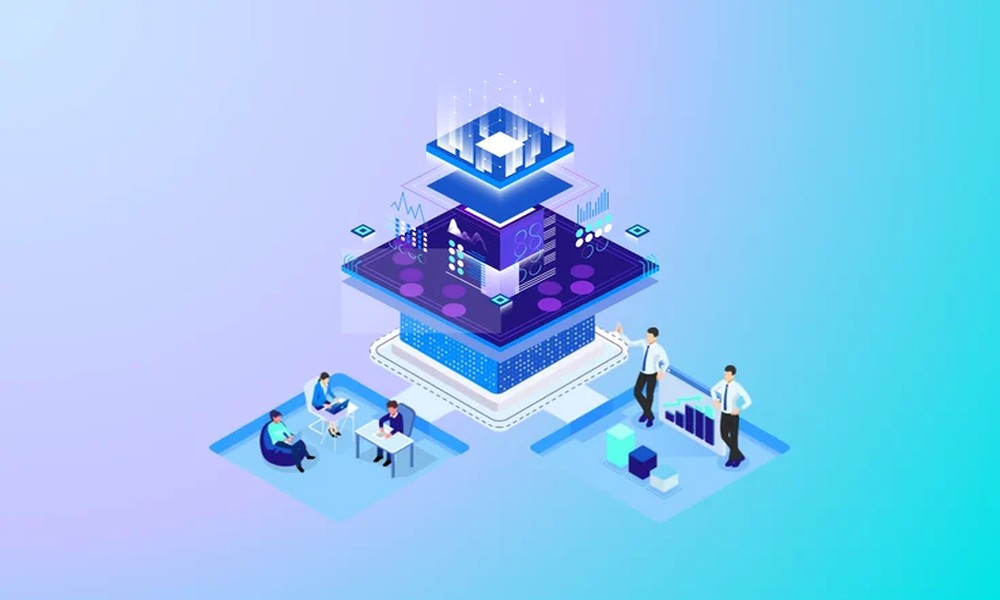
Warehouse managers face the challenge of maintaining smooth operations while controlling costs and energy use. Digital twin technology offers a way to model and analyze physical assets virtually, providing insights that support operational decisions without interrupting real-world processes.
Understanding Digital Twins
A digital twin is a virtual representation of a physical system or piece of equipment. Sensors and data collection feed real-time information into the model, allowing managers to simulate performance, detect potential issues, and test operational changes before applying them on the floor.
Switchgear and other critical electrical systems can be included in digital twin models. By monitoring load, temperature, and performance virtually, managers can plan maintenance, optimize power distribution, and reduce unnecessary energy use.
Improving Equipment Performance
Digital twins help identify inefficiencies in equipment operation. For example, conveyors, motors, and HVAC systems can be analyzed in the virtual environment to detect underperforming components or suboptimal usage patterns. Adjustments can be tested digitally, ensuring changes will produce the desired effect before implementation.
This proactive approach minimizes downtime and ensures that energy is used efficiently across all systems.
Supporting Predictive Maintenance
Digital twins complement predictive maintenance strategies by providing a virtual testbed for monitoring equipment conditions. Data from sensors feeds the digital twin, allowing anomalies to be detected before they impact operations. Maintenance can be scheduled proactively, reducing both energy waste and unplanned downtime.
Incorporating switchgear monitoring into digital twins ensures that electrical distribution issues are also addressed proactively, maintaining operational stability.
Optimizing Workflow and Processes
Digital twins can simulate workflow changes and process improvements. Warehouse layouts, material flow, and equipment sequencing can be tested virtually, revealing potential bottlenecks or inefficiencies. Adjustments can be made in the model, and only those changes that improve performance are applied in the real facility.
This reduces trial-and-error on the floor and ensures that operational efficiency gains are both measurable and sustainable.
Enhancing Energy Management
Energy usage is a critical metric for warehouse operations. Digital twins allow managers to model energy consumption under various operational scenarios. By testing equipment schedules, lighting strategies, and HVAC settings virtually, facilities can identify the most energy-efficient approach without affecting ongoing operations.
Switchgear data integrated into digital twins provides insight into electrical load distribution, helping prevent overloading and optimizing energy allocation.
Supporting Multi-Site Oversight
For organizations with multiple facilities, digital twins allow centralized monitoring and analysis. Standardized models can be applied across sites, enabling managers to compare performance, replicate best practices, and detect inconsistencies quickly.
Centralized oversight also helps ensure that operational and energy efficiency standards are maintained uniformly across all locations.
Facilitating Staff Training
Digital twins can serve as training tools, allowing staff to practice equipment operation and respond to potential issues in a virtual environment. Operators can understand the effects of different operational decisions without risking real equipment or disrupting production.
This approach improves proficiency, reduces errors, and ensures that operational efficiency is maintained in daily practice.
Continuous Improvement Through Data
Digital twins provide a continuous feedback loop. Performance data is used to refine models and improve future predictions. Over time, this results in more accurate simulations, better maintenance planning, and optimized energy usage.
By leveraging digital twins, warehouse managers can make informed decisions that improve operational efficiency, reduce energy waste, and maintain system reliability. Including switchgear and other critical systems in these virtual models ensures that electrical performance and distribution are optimized alongside overall operations.

Comments are closed.